

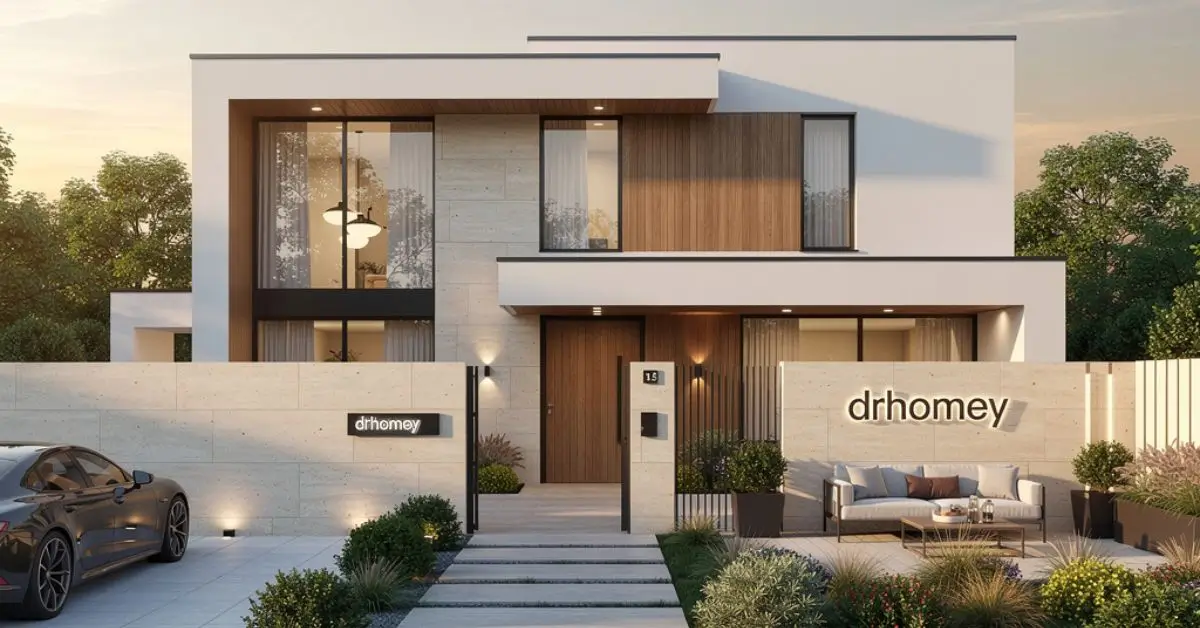
Exterior Design DrHomey: A Complete Guide to Curb Appeal That Actually Works
Most homeowners spend considerable time and money improving the inside of their home. The exterior, the part every neighbor, visitor, and potential buyer sees first, often gets far less attention until it becomes impossible to ignore.
A peeling front door, faded siding, overgrown landscaping, or a driveway stained and cracked from years of use does not just look neglected. It actively reduces property value and creates a first impression that contradicts everything you have done to make the inside look great.
Exterior design is not just about aesthetics. It is about protecting your investment, creating a home that feels complete from every angle, and making improvements that hold up through weather, seasons, and years of daily exposure.
This guide covers what exterior design DrHomey approach represents, which design principles matter most for home exteriors, how to approach each zone of your home’s exterior strategically, and what improvements deliver the best results for the effort and money invested.
Exterior design DrHomey refers to the practical home exterior design guidance and inspiration provided through the DrHomey platform, helping homeowners improve curb appeal, choose exterior color palettes, select durable materials, and make strategic improvements to their home’s facade, landscaping, entry points, and outdoor living spaces using accessible, real-world applicable design principles suited to a wide range of home styles and budgets.
Quick Summary
Exterior design DrHomey covers the practical principles and specific improvements that transform a home’s appearance from the outside. This guide walks through the key design zones, most impactful improvements, style options, and material choices so you can approach your home’s exterior with a clear, prioritized plan.
Why Exterior Design Deserves Serious Attention
The exterior of your home does several jobs simultaneously. It protects the structure from weather and moisture. It signals to neighbors and visitors what kind of home it is and how well it is maintained. And for anyone considering buying the property, it creates the first impression that either draws them in or causes them to drive past.
Research from the National Association of Realtors consistently shows that curb appeal improvements produce some of the highest returns of any home improvement investment. A well-maintained, thoughtfully designed exterior can add significantly to perceived and actual property value, sometimes producing returns that exceed the cost of the improvements themselves.
Beyond resale value, living in a home with an exterior you are proud of simply feels different. Arriving home to a space that looks intentional and well-maintained has a genuine impact on how you feel about the home overall.
The exterior design DrHomey approach recognizes this and treats exterior improvement not as an afterthought but as an equal priority to interior design decisions.
The Core Principles of Effective Exterior Design
Before making any specific improvement decisions, understanding the principles that govern good exterior design helps you make choices that work together rather than competing or creating a disconnected look.
Cohesion Across All Elements
The most common mistake in exterior design is making individual decisions without considering how they relate to each other. A new front door in a bold color that clashes with the siding, shutters that do not match the window trim, or landscape lighting that is mismatched in style to the architectural character of the home all produce a result that feels accidental rather than designed.
Every exterior element, paint color, trim, roofing, hardscape, landscaping, and lighting, should be chosen with the whole in mind. Pull the palette together before making any individual purchase.
Proportion and Scale
Exterior design follows the same proportion rules as interior design. The size of design elements should relate logically to the scale of the home. A small lantern on a large two-story colonial looks lost. An oversized statement front door on a modest ranch home overwhelms the facade.
Before selecting specific fixtures, plants, or architectural elements, consider how their scale reads against the overall size and proportion of the home.
Material Consistency
Using too many different materials on a home’s exterior creates visual noise. Successful exterior design typically commits to a limited palette of materials, perhaps brick with painted wood trim, or fiber cement siding with natural stone accents, and uses them consistently rather than introducing a new material for each zone.
Maintenance Reality
Beautiful exterior designs that require constant upkeep to maintain their appearance are not successful designs for most homeowners. Choosing materials, plants, and finishes that hold up well with realistic maintenance input is a core part of good exterior design judgment.
Zone-by-Zone Exterior Design Guidance
Exterior design is most manageable when you approach it one zone at a time rather than trying to address everything simultaneously. Each zone has its own priorities and design considerations.
The Facade and Siding
The facade is the largest visual surface of your home’s exterior and the element that creates the most immediate impression. Color choice here has enormous impact.
The exterior design DrHomey approach to facade color emphasizes choosing shades that complement the fixed elements you are not changing, primarily the roof color and any brick or stone that cannot be painted. These fixed elements set the palette parameters, and your siding and trim colors should work within them rather than fight against them.
For most American homes, a two-tone or three-tone exterior palette works well. A dominant siding color, a contrasting trim color, and an accent color for the front door creates a layered, intentional look without becoming visually complicated.
Warm grays, soft whites, navy, and sage green are all strong choices for main siding colors across a wide range of architectural styles in the US market right now. These tones have enough staying power to remain attractive through multiple years without feeling dated.
The Front Door and Entry
The front door is the focal point of your home’s exterior. It is where the eye lands and where visitors form their clearest impression of the home’s character and the care invested in its appearance.
A fresh coat of exterior paint in a considered color transforms a front door at minimal cost. Deep blues, forest greens, warm reds, and classic black all work well as door colors, depending on the overall palette of the home. The door color should contrast enough with the siding to be clearly visible and inviting.
Hardware matters significantly here. Mismatched or tarnished door hardware undermines even a beautifully painted door. Replacing door knobs, knockers, house numbers, and exterior light fixtures in a consistent finish, brushed nickel, matte black, or oil-rubbed bronze, creates a coherent, professional-looking entry without major expense.
Landscaping and Planting
Landscaping has a disproportionately large impact on curb appeal relative to its cost. Well-maintained plantings, a clean lawn edge, and appropriate foundation planting immediately signal that the home is cared for.
Foundation planting, the shrubs and plants placed directly against the home’s foundation, should be kept in scale with the home and trimmed regularly. Overgrown foundation planting that covers windows and reaches the soffits makes a home look neglected even when everything else is well-maintained.
For homeowners in warmer US climates, low-water, low-maintenance native plants provide excellent curb appeal without demanding constant attention. For northern climates, choosing plants with four-season interest, including evergreens, ornamental grasses, and plants with attractive winter structure, prevents the landscape from looking bare and neglected for months each year.
Driveway and Hardscape
Driveways and hardscape elements like walkways, steps, and retaining walls are often the most neglected parts of a home’s exterior despite being among the most visible.
A clean, well-maintained driveway reads as a signal of overall home care. Pressure washing a concrete or asphalt driveway, resealing it where needed, and removing weeds from cracks makes a significant difference to the overall impression of the exterior at relatively low cost.
Walkways leading to the front door should feel welcoming and proportionate to the home. A narrow concrete path to a large home feels underwhelming. Widening it, adding edging, or bordering it with low planting creates a more generous and inviting approach.
Outdoor Lighting
Exterior lighting serves both functional and aesthetic purposes, and most homes are significantly under-lit in a way that diminishes their nighttime appearance.
At minimum, the front entry should be well-lit with fixtures that complement the architectural style of the home. Path lighting along the front walkway adds both safety and visual warmth. Uplighting significant trees or architectural features creates depth and drama that makes the home look intentional and cared for after dark.
All exterior lighting fixtures visible from the street should share a consistent finish and style. Mixing different fixture styles across the facade creates a disjointed look that undermines the otherwise cohesive design.
Popular Exterior Design Styles for US Homes
| Style | Key Characteristics | Best Suited To | Common Colors |
|---|---|---|---|
| Traditional | Symmetrical facade, classic details, shutters | Colonial, craftsman, cape cod homes | White, cream, navy, forest green |
| Modern Farmhouse | Board and batten, metal roofing accents, black windows | Ranch and new construction homes | White, black, warm gray, natural wood |
| Contemporary | Clean lines, flat or low-pitch roof, mixed materials | Modern new builds, split levels | Charcoal, white, concrete gray, wood tone |
| Mediterranean | Stucco finish, terra cotta, arched elements | Warmer climate homes, Spanish style | Warm white, terracotta, sandy beige |
| Craftsman | Natural materials, covered porch, tapered columns | Bungalows, arts and crafts homes | Earthy tones, olive, brown, warm white |
Choosing a style that aligns with your home’s existing architectural character always produces better results than imposing a style that conflicts with the structure’s bones.
Most Impactful Exterior Improvements by Return on Investment
Not every exterior improvement delivers equal value. Understanding which projects produce the best return helps you prioritize when budget is limited.
Exterior paint or siding refresh consistently ranks among the highest-return exterior improvements. Fresh, well-chosen color on a clean, properly prepared surface transforms the entire appearance of a home.
Front door replacement or refinishing delivers one of the best returns of any exterior project, often recovering more than 70 percent of its cost in added home value according to industry research.
Garage door replacement is consistently cited in Remodeling Magazine’s annual Cost vs. Value report as one of the highest-return improvements available for US homeowners, both in resale value and curb appeal impact.
Landscaping cleanup and refresh costs relatively little compared to structural improvements and delivers immediate, visible impact on overall curb appeal.
Exterior lighting upgrade is often overlooked but dramatically changes how a home reads both day and night, particularly when consistent fixture styles are chosen and installed at appropriate scale.
Conclusion
Your home’s exterior is both its first impression and its most consistent public expression. Giving it the same thoughtful attention you would apply to interior design produces results that feel complete, add genuine value, and make the home a place you are proud to arrive at every day.
The exterior design DrHomey approach is built around exactly this kind of intentional, practical thinking. Start with the elements that have the most impact, work through each zone with cohesion in mind, and make decisions that balance how the home looks with how it holds up over time.
Pick the zone that bothers you most right now. Apply the principles in this guide to that area first. Let the improvement build your confidence and clarify the direction for every decision that follows.
Frequently Asked Questions
What does Exterior Design DrHomey cover?
DrHomey shares practical tips on curb appeal, exterior colors, landscaping, lighting, entryways, and facade improvements.
What exterior upgrades add the most value?
Garage doors, front doors, exterior paint, and landscaping are among the best investments for boosting curb appeal and resale value.
How do I choose the right exterior paint color?
Match paint with your roof, brick, or stone, test samples outdoors, and consider your neighborhood’s style.
What exterior design styles are popular?
Modern farmhouse, transitional, and contemporary designs remain popular, with regional styles varying across the US.
How much does an exterior makeover cost?
A basic refresh costs around $1,500–$5,000, while a full renovation can range from $20,000–$80,000+.
What landscaping improves curb appeal?
Maintain a neat lawn, trimmed shrubs, clean flower beds, fresh mulch, and colorful plants near the entrance for the best results.