

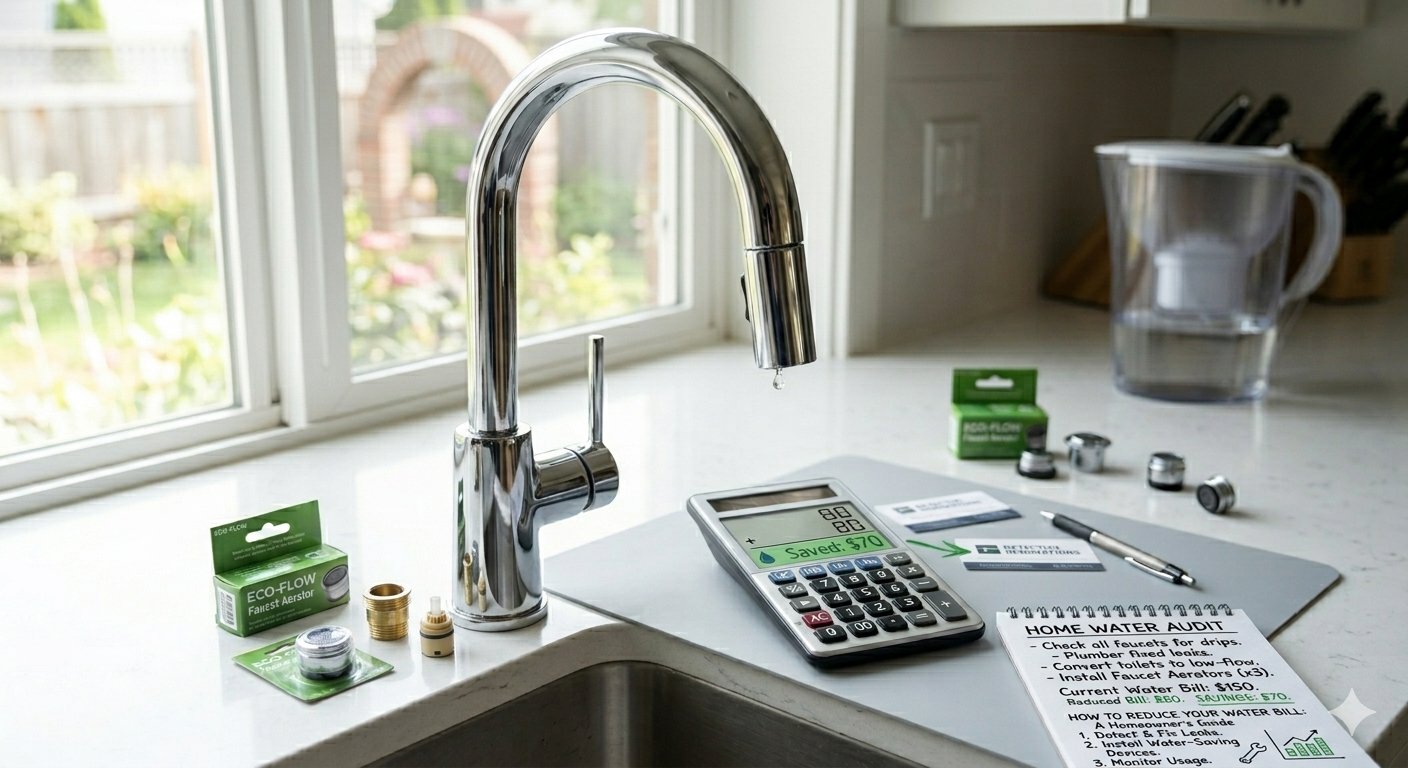
Rising utility costs have become a significant concern for households across North America, and water bills often represent a substantial portion of monthly expenses. Many families pay hundreds of dollars annually without realizing how much money they could save through simple changes in their daily routines and home maintenance practices. The good news is that reducing water consumption does not require drastic lifestyle changes or expensive renovations. Small adjustments in how you use water throughout your home can lead to impressive savings that accumulate month after month. Understanding where water gets wasted and implementing practical solutions helps both your wallet and the environment. This comprehensive guide provides actionable strategies that anyone can implement regardless of budget or technical skills, making water conservation accessible and rewarding for every household.
Fixing Leaks to Reduce Your Water Bill at Home Immediately
One of the most effective ways to lower your water expenses involves identifying and repairing leaks throughout your home. A single dripping faucet might seem insignificant, but it can waste thousands of gallons annually, adding unnecessary dollars to your bill each month. Check all faucets in bathrooms, kitchens, and outdoor areas for any dripping when fully closed. Even a slow drip that produces one drop per second wastes over three thousand gallons per year, which translates to real money that simply runs down your drain.
Toilet leaks represent an even bigger problem because they often go unnoticed while wasting enormous amounts of water. A running toilet can waste up to two hundred gallons daily, making it the single largest source of water waste in many homes. You can detect toilet leaks using a simple food coloring test by adding a few drops to the tank and waiting fifteen minutes without flushing. If color appears in the bowl, you have a leak that needs immediate attention. Most toilet leaks result from worn flapper valves that cost just a few dollars to replace and require no special tools or expertise.
Pipe leaks behind walls or under sinks also contribute significantly to high water bills while potentially causing structural damage to your home. Check under all sinks regularly for moisture, water stains, or puddles that indicate leaking connections. Examine your water meter before and after a period when no water will be used in your home. If the meter reading changes despite zero water usage, you likely have a hidden leak somewhere in your system that requires professional detection and repair. Addressing leaks promptly prevents minor problems from becoming expensive emergencies while immediately reducing your water consumption.
Installing Water-Efficient Fixtures as a Long-Term Solution
Upgrading to modern, water-efficient fixtures provides one of the most impactful ways to reduce ongoing water consumption without changing your behavior. Low-flow showerheads use significantly less water than older models while maintaining comfortable water pressure through innovative designs that mix air with water. These fixtures typically reduce shower water usage by forty to sixty percent, which means a family of four can save thousands of gallons monthly. Modern low-flow showerheads cost between fifteen and fifty dollars and install easily without professional help, making them an accessible upgrade for any budget.
WaterSense labeled faucets and aerators offer similar benefits for sinks throughout your home. These devices restrict flow to around one and a half gallons per minute compared to the two and a half gallons or more that older faucets deliver. You will barely notice the difference during normal use, but your water meter and monthly bill will reflect substantial savings. Aerators screw onto existing faucets and cost just a few dollars each, representing perhaps the cheapest water-saving investment you can make with immediate returns.
High-efficiency toilets have improved dramatically in recent years, offering powerful flushing performance while using only one point two eight gallons per flush compared to the three and a half to seven gallons that older toilets consume. If you have toilets installed before nineteen ninety-four, replacing them with WaterSense certified models can reduce your household water usage by twenty to sixty percent. While new toilets require more upfront investment than other fixtures, many water utilities offer rebates that offset purchase costs, and the long-term savings quickly justify the expense.
Smart Laundry Practices That Help Reduce Your Water Bill at Home
Laundry represents one of the largest sources of water consumption in typical households, but several strategies can significantly decrease usage without compromising cleanliness. Always run full loads rather than multiple small loads, as washing machines use roughly the same amount of water regardless of load size. If you must wash a smaller load, adjust the water level settings accordingly on machines that offer this option. This simple habit can reduce water consumption by thousands of gallons annually while also saving energy and detergent costs.
Upgrading to an Energy Star certified washing machine provides dramatic water savings compared to older models. Traditional top-loading washers use forty gallons per load, while high-efficiency front-loading machines use only fifteen to thirty gallons. Over the lifespan of the appliance, this difference translates to savings of thousands of gallons and hundreds of dollars. Modern machines also extract more water during the spin cycle, reducing dryer time and saving additional money on energy costs.
Consider washing clothes less frequently when appropriate, as many items can be worn multiple times before requiring cleaning. Jeans, sweaters, and pajamas often remain fresh for several wears unless visibly soiled or odorous. Towels can be used several times when hung properly to dry between uses. This approach not only conserves water but also extends the life of your clothing by reducing wear from washing and drying. When you do wash, use cold water whenever possible, as heating water accounts for about ninety percent of the energy used during laundry, providing additional utility savings beyond just water consumption.
Efficient Dishwashing Methods to Lower Water Costs
Many people believe washing dishes by hand saves water compared to using a dishwasher, but modern dishwashers actually use significantly less water than hand washing when used efficiently. Energy Star certified dishwashers use as little as three gallons per load, whereas hand washing the same number of dishes typically consumes twenty-seven gallons. The key to maximizing these savings involves running only full loads and skipping the pre-rinse cycle. Modern dishwashers and detergents are designed to handle food residue, so simply scraping plates into the trash before loading eliminates the need for pre-rinsing that wastes both water and time.
If you do wash dishes by hand occasionally, avoid letting the water run continuously while scrubbing. Fill one basin with soapy water for washing and another with clean water for rinsing, or use a spray bottle for rinsing smaller items. This method uses a fraction of the water compared to running the tap throughout the entire process. When washing just a few items, consider waiting until you have enough for a full sink rather than washing multiple small batches throughout the day.
Upgrading to a water-efficient dishwasher represents a smart investment if your current model is more than ten years old. Older dishwashers can use ten gallons or more per cycle, making them water and energy hogs that unnecessarily inflate your utility bills. Modern models clean more effectively while using seventy percent less water, and many utilities offer rebates on qualified appliances that reduce your upfront costs. Over the appliance’s lifespan, the water and energy savings typically exceed the purchase price several times over.
Outdoor Water Conservation for Significant Bill Reduction
Outdoor water use often accounts for thirty percent or more of total household consumption, with lawn irrigation being the primary culprit. Learning how to reduce your water bill at home requires addressing outdoor usage through smarter irrigation practices. Water your lawn early in the morning or late in the evening when temperatures are cooler and evaporation rates are lowest. Midday watering during hot weather loses significant amounts of water to evaporation before it can benefit your lawn, essentially watering the air instead of your grass.
Most lawns require only about one inch of water per week, including rainfall. Place empty tuna cans around your lawn while watering to measure how much water your sprinklers deliver and adjust timing accordingly. Many homeowners water far more than necessary, wasting thousands of gallons and dollars while actually harming their lawns through overwatering. Allowing grass to grow slightly taller by raising your mower blade also promotes deeper root growth that requires less frequent watering to maintain health and appearance.
Installing rain barrels to collect roof runoff provides free water for gardens and landscaping while reducing stormwater runoff that can cause erosion and flooding. A single inch of rain falling on a thousand square foot roof produces over six hundred gallons of water that you can capture and use during dry periods. Rain barrels cost between fifty and two hundred dollars depending on capacity and features, and many municipalities offer them at discounted prices or even free to encourage water conservation. Drip irrigation systems for gardens deliver water directly to plant roots with minimal waste compared to overhead sprinklers that lose water to evaporation and runoff.
Bathroom Water Saving Techniques Beyond Fixture Upgrades
Bathrooms account for the majority of indoor water use, making them prime targets for conservation efforts. Shortening shower duration by just one minute saves up to two and a half gallons per shower, which adds up to hundreds of gallons monthly for an average household. Consider setting a timer or playing a favorite song to help maintain awareness of shower length without constantly watching the clock. Many people find that they can complete their shower routine in less time than they habitually spend once they pay attention to actual needs versus mindless lingering under the water.
Turning off the tap while brushing teeth or shaving prevents gallons of water from running unnecessarily down the drain. A running faucet uses about two gallons per minute, so leaving it on during a two-minute tooth brushing session wastes four gallons daily and over fourteen hundred gallons annually per person. This simple habit costs nothing to implement yet provides immediate savings that continue accumulating year after year. The same principle applies when washing your face or hands, requiring water only for the initial wetting and final rinsing rather than throughout the entire process.
Consider collecting the cold water that runs while waiting for hot water to reach your shower or sink. Place a bucket under the showerhead or faucet and use this clean water for plants, pet bowls, or cleaning tasks rather than letting it go to waste. Depending on how far your water heater sits from the fixture, you might collect one to three gallons each time, representing significant savings when captured consistently over time. This practice requires minimal effort but demonstrates how creative thinking about daily routines can reveal numerous water-saving opportunities.
Kitchen Water Conservation Strategies for Daily Savings
Kitchen activities provide numerous opportunities to reduce water consumption through mindful practices. When washing vegetables or fruit, use a bowl of water rather than running them under the tap. You can then use this water for houseplants or pour it into your garden rather than sending it down the drain. Similarly, thaw frozen foods in the refrigerator overnight instead of using running water, which wastes gallons while also increasing food safety risks compared to slow refrigerator thawing.
Keep a pitcher of drinking water in your refrigerator instead of running the tap until water gets cold enough to drink. This simple strategy saves water while providing instantly cold water without the wait. If you find yourself frequently disposing of water from glasses or bottles, you are likely pouring more than you actually want to drink. Use smaller glasses or fill them only partially to reduce waste from unconsumed water that gets dumped out.
When cooking, use appropriate pot sizes and water amounts rather than defaulting to large pots filled high regardless of actual needs. Steaming vegetables uses less water than boiling while preserving more nutrients, providing health benefits alongside water conservation. Pasta can be cooked using less water than package directions suggest, and some methods involve adding pasta to cold water and bringing it to a boil rather than waiting for a large pot of water to boil first, saving both water and energy.
Monitoring Your Usage to Reduce Your Water Bill at Home Effectively
Understanding your water consumption patterns helps identify opportunities for improvement and tracks the effectiveness of conservation efforts. Start by reading your water meter at the same time each day for a week to understand your baseline usage. Many people are surprised to discover how much water they actually consume compared to what they estimated. This awareness alone often motivates better conservation habits without requiring any other changes.
Check your water bill carefully each month to spot unusual increases that might indicate leaks or wasteful practices that have crept into your routine. Most bills show consumption history that lets you compare current usage against previous months and the same period in previous years. Sudden spikes deserve investigation to identify and correct the cause before it results in months of unnecessarily high bills. Some water utilities now offer online portals or apps that provide detailed usage data and alert you to potential problems.
Consider installing a smart water meter or monitoring system that provides real-time feedback about your consumption. These devices connect to your home’s water supply and send data to your smartphone, allowing you to see exactly when and where water gets used throughout the day. Some systems can detect leaks immediately and alert you before small problems become expensive disasters. While these systems represent a larger investment than simple conservation practices, they provide valuable insights that help optimize your water use and maximize long-term savings.
Creating Household Habits That Sustain Lower Water Consumption
Long-term success in reducing water bills depends on establishing habits that become automatic rather than requiring constant conscious effort. Involve your entire household in conservation goals by explaining the financial and environmental benefits of reduced water usage. Children often become enthusiastic participants when they understand how their actions contribute to family savings and environmental protection. Consider establishing friendly competitions to see who can take the shortest shower or remember to turn off the tap most consistently.
Make water conservation convenient by placing reminders near faucets and fixtures until new habits become established. Simple signs saying “Turn me off” or “Shorter showers save money” serve as helpful prompts during the transition period. Position buckets near showers or rain barrels near downspouts so conservation tools remain visible and accessible, removing barriers to their consistent use.
Celebrate your success by tracking the money saved through reduced water bills and dedicating those savings to something enjoyable for your household. Whether you put the money toward a vacation fund, a special dinner, or another goal, connecting conservation efforts to positive rewards reinforces the value of sustained commitment. Review your water bill together when it arrives and note the decreasing costs that result from your collective efforts, maintaining motivation and demonstrating that individual actions create meaningful results.
FAQs
How much money can I realistically save by reducing water consumption at home?
Most households can reduce water bills by twenty to fifty percent through the strategies outlined in this guide, translating to savings of several hundred to over a thousand dollars annually depending on current usage and local water rates. Low-cost fixes like repairing leaks and changing habits provide immediate savings, while larger investments in efficient fixtures and appliances deliver returns that continue for years.
Do water-saving fixtures really work as well as standard ones?
Modern water-efficient fixtures perform excellently due to years of engineering improvements that optimize pressure, spray patterns, and flow dynamics. Early low-flow products from the nineteen eighties earned poor reputations, but current WaterSense certified products must meet strict performance standards ensuring effectiveness while using less water. Most users cannot tell the difference except when checking their lower water bills.
Will reducing outdoor watering harm my lawn and garden?
Proper outdoor water conservation actually promotes healthier plants by encouraging deeper root growth and preventing problems associated with overwatering like fungal diseases and shallow root systems. Most lawns and gardens receive more water than they need, and reducing to appropriate levels based on actual plant requirements improves health while dramatically cutting water bills during summer months.
How can I convince my family to participate in water conservation efforts?
Education works best when combined with making conservation easy and rewarding. Explain both the financial savings and environmental benefits in age-appropriate ways, install fixtures that automatically reduce consumption without requiring behavior changes, and celebrate successes by tracking savings and using the money for something the whole family enjoys. Leading by example also proves more effective than nagging about wasteful habits.
Are water-efficient appliances worth the higher upfront cost?
High-efficiency appliances typically pay for themselves within a few years through reduced water and energy bills, then continue providing savings for their entire lifespan. Many utilities offer rebates that reduce initial costs, and the environmental benefits add value beyond simple financial returns. When replacing broken appliances anyway, choosing efficient models makes excellent economic sense with minimal additional investment beyond standard replacements.
Conclusion
Learning how to reduce your water bill at home empowers you to take control of household expenses while contributing to environmental conservation. The strategies outlined in this guide range from free habit changes to modest investments in efficient fixtures, ensuring options exist for every budget and commitment level. Starting with simple steps like fixing leaks and turning off taps while brushing teeth provides immediate results that motivate further conservation efforts. Upgrading to water-efficient fixtures and appliances creates lasting infrastructure that reduces consumption automatically without requiring constant attention or behavior modification. Outdoor water conservation through smart irrigation practices often provides the most dramatic savings, particularly during summer months when lawn watering drives bills to annual peaks. Monitoring your usage helps identify opportunities and track progress, while creating sustainable household habits ensures long-term success rather than temporary improvements that fade over time. Remember that every gallon saved reduces both your water bill and the energy required to treat and deliver water to your home, multiplying your financial and environmental impact. By implementing even a few of these practical suggestions, you will notice meaningful reductions in your water bill while developing greater awareness about this precious resource and how you use it daily.