

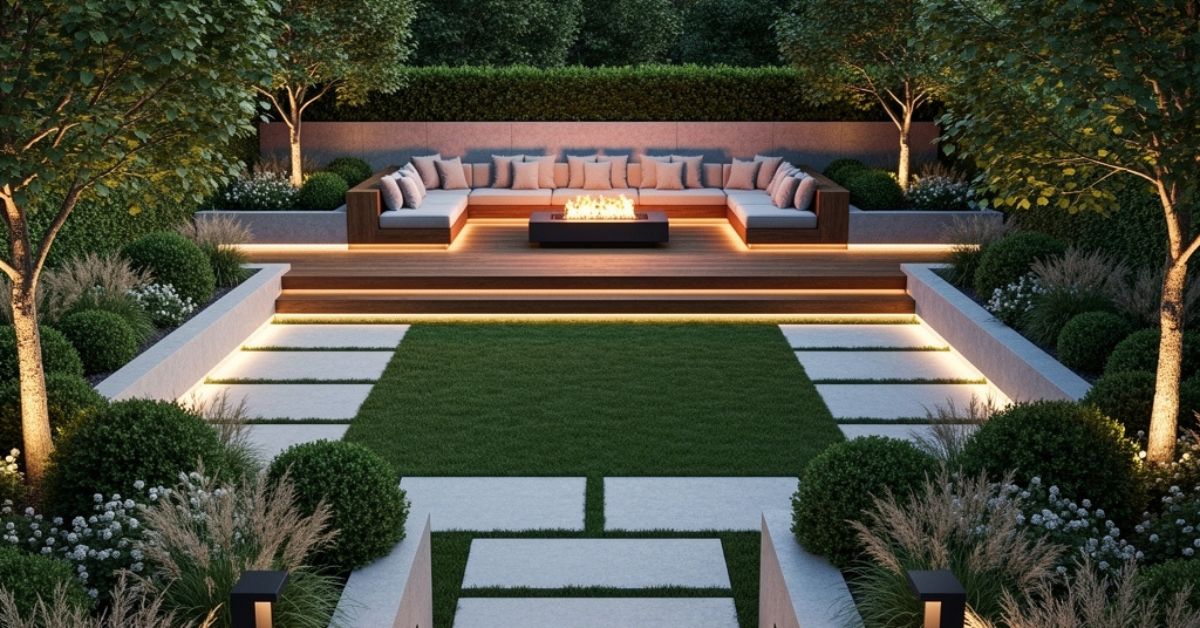
Contemporary Comfort Home Improvement: A Complete Practical Guide
Most homeowners want the same thing. A home that looks current and put-together but still feels warm and livable. Not a showroom. Not a museum. Just a space that works beautifully every single day.
That is exactly what the contemporary comfort approach to home improvement is about. But a lot of people either go too far toward cold and minimal, or too far toward cozy and cluttered. The balance is harder to find than it looks.
This guide explains what contemporary comfort mipimprov really means, how to apply it in each room, which upgrades are worth the money, and what to avoid. Whether you are renovating a full home or just refreshing a few spaces, this will give you a clear direction.
What Is Contemporary Comfort in Home Improvement?
Contemporary comfort mipimprov refers to a home improvement approach that combines modern design principles with genuine livability. It focuses on clean lines, quality materials, and functional layouts while keeping spaces warm, inviting, and practical for everyday use. The goal is a home that looks visually current without sacrificing the ease and softness that makes a house feel like a real home.
Quick Summary
Contemporary comfort home improvement blends modern aesthetics with everyday livability. Think clean layouts, warm textures, quality over quantity, and smart upgrades that improve both how your home looks and how it functions. This guide breaks it down room by room with practical advice for US homeowners.
Why This Approach Matters More Than Ever
Home design trends have swung hard toward minimalism over the past decade. Open-plan layouts, neutral palettes, and sleek finishes became the standard look for modern homes. But many homeowners found that ultra-minimal spaces felt cold, uncomfortable, and difficult to actually live in.
At the same time, heavily decorated and maximalist spaces can feel overwhelming and hard to maintain. Neither extreme works well for most people.
Contemporary comfort mipimprov sits in the middle. It takes the visual clarity of modern design and softens it with texture, warmth, and practical thinking. The result is a home that photographs beautifully and also functions well on a Tuesday morning.
This matters because home improvement is a significant investment. Getting the direction right before you spend money saves both time and budget.
The Core Principles
Before jumping into specific rooms or upgrades, it helps to understand the principles that define this style. These apply across every space in the home.
Clean but not cold.
Contemporary design values uncluttered spaces. But uncluttered does not mean bare. The goal is intentional arrangement, where everything has a place and a purpose, but the room still has warmth and personality.
Quality over quantity.
In contemporary comfort design, fewer better pieces outperform many average ones. A well-made sofa in a neutral fabric will serve a room better than three cheaper pieces that compete for attention.
Natural materials as a bridge.
Wood, stone, linen, and cotton are the materials that connect modern structure with human warmth. These textures are what stop a contemporary space from feeling like a hotel lobby.
Function built in.
Every upgrade should improve how the space works, not just how it looks. Storage that disappears into the design. Lighting that adjusts to different needs. Furniture that earns its square footage.
Neutral base, warm accents.
Contemporary comfort spaces typically work from a neutral foundation, white, warm gray, greige, or soft cream, and layer in warmth through wood tones, textiles, and low-key accent colors like terracotta, olive, or deep navy.
Room-by-Room Guide
Living Room
The living room is where the contemporary comfort approach is easiest to see and most impactful to apply.
Start with the sofa. Choose a clean-lined silhouette in a durable, natural fabric. Linen blends and performance velvet work well. Avoid busy patterns at the sofa level. Let it anchor the room quietly.
Add warmth through layering. A wool or cotton area rug under the seating area, a wooden coffee table with visible grain, a few throw pillows in complementary textures. None of this needs to be expensive. It just needs to be intentional.
Lighting makes a significant difference. Replace harsh overhead lighting with layered sources: a floor lamp, table lamps, and dimmer-controlled ceiling fixtures if possible. Warm bulbs (2700K–3000K) shift the entire mood of the room.
Built-in shelving or a media cabinet with closed storage keeps the room looking organized without making it feel sterile. This is a smart investment for living rooms that need to hold a lot of things without showing them all.
Kitchen
The kitchen is where contemporary comfort mipimprov principles become very practical.
Cabinet fronts and hardware do a lot of work in a kitchen. Flat-front or simple shaker-style cabinets read as contemporary. Swap out dated hardware for matte black, brushed nickel, or warm brass. This upgrade alone costs very little but shifts the look significantly.
Countertops matter both visually and functionally. Quartz is the most popular choice for contemporary kitchens in the US right now. It is durable, low-maintenance, and available in clean, stone-like finishes that work beautifully with both white and wood-tone cabinetry.
Open shelving works in kitchens only when it is kept disciplined. A single run of open shelves above a counter can add warmth and display space. More than that becomes harder to manage and can make the room look cluttered.
Add warmth through a wood cutting block, woven placemats, or ceramic canisters. Small details at the counter level make the kitchen feel lived-in and comfortable without breaking the contemporary feel.
Bedroom
The bedroom benefits most from simplicity and layering.
A platform bed with a simple upholstered headboard is the clearest contemporary comfort choice. It is low, clean, and visually restful. Pair it with matching or complementary nightstands that have at least one drawer for functional storage.
Bedding is the easiest upgrade in the house. Quality cotton or linen bedding in white, cream, or warm stone tones instantly elevates the room. Layer a textured throw at the foot of the bed for the classic contemporary look.
Window treatments matter more than most people realize. Linen or cotton curtains hung high and wide (close to the ceiling, wider than the window frame) make rooms feel taller and more spacious. This is one of the most cost-effective visual upgrades available.
Keep surfaces clear. Two or three meaningful items on a nightstand. A simple lamp. Nothing more.
Bathroom
Contemporary comfort bathrooms balance clean lines with spa-like warmth.
If a full renovation is not in the budget, focus on fixtures and accessories. A new faucet in brushed gold or matte black, a simple mirror with a wood or metal frame, and quality towels in a consistent color palette will refresh most bathrooms without major work.
For those doing a full renovation, large-format tiles in warm stone tones or soft concrete finishes read as contemporary without being cold. Pair with wood-look vanities or floating cabinets to keep the warmth in the space.
Good lighting is critical in bathrooms. Side-lit mirrors (sconces on either side rather than overhead lighting alone) give better light quality and add a design element at the same time.
What to Avoid
Even with the right intentions, a few common mistakes can undermine the contemporary comfort look.
Too much gray. Cool gray was overused in the 2010s and often makes spaces feel flat and cold. Warmer neutrals now work better and age more gracefully.
All-white everything. A fully white home looks clean in photos but difficult in real life. Introduce warmth early in the design process.
Mixing too many wood tones. Contemporary comfort spaces work best with one or two dominant wood tones. Three or more competing finishes create visual noise.
Ignoring scale. A beautiful sofa that is too large for the room, or a rug that is too small for the seating area, will undermine even the best design choices.
Realistic Budget Context for US Homeowners
| Room | Basic Refresh | Mid-Range Upgrade | Full Renovation |
|---|---|---|---|
| Living Room | $500–$1,500 | $3,000–$8,000 | $15,000–$30,000+ |
| Kitchen | $1,000–$3,000 | $8,000–$20,000 | $30,000–$60,000+ |
| Bedroom | $300–$1,000 | $2,000–$5,000 | $8,000–$20,000+ |
| Bathroom | $500–$1,500 | $5,000–$12,000 | $15,000–$35,000+ |
These are general US market estimates. Costs vary significantly by region, contractor rates, and material choices.
Putting It All Together
Contemporary comfort mipimprov is not a rigid rulebook. It is a practical framework for making smarter home improvement decisions. The goal is always a home that looks good, functions well, and actually feels comfortable to live in every day.
Start with one room. Get the foundation right. Then move through the house with a consistent eye for clean lines, warm materials, and purposeful choices. The results compound over time.
Frequently Asked Questions
What does contemporary comfort mean in home improvement?
It means combining modern, clean design with real warmth and livability. The result is a home that looks current and intentional while still feeling relaxed and easy to live in every day. The focus is on quality materials, warm accents, natural textures, and smart storage.
How do I make my home look contemporary without it feeling cold?
Add natural materials like wood, linen, and stone. These soften clean lines and modern finishes. Warm lighting (2700K–3000K bulbs) and layered textiles also help. Even small additions like a wool rug or linen curtains can shift the mood of a room noticeably.
What colors work best for a contemporary comfort home?
Warm neutrals work best. Use soft white, warm cream, greige, or light taupe as your base. Add depth with terracotta, olive green, or warm charcoal. Avoid cool grays and stark whites, which tend to make spaces feel flat rather than comfortable.
Is contemporary comfort home improvement expensive?
Not necessarily. Swapping hardware, updating lighting, and adding quality textiles cost very little but make a real difference. A living room can be refreshed for under $1,500 with the right choices. Larger upgrades like countertops or cabinetry cost more, but the style prioritizes fewer, better pieces overall.
What is the difference between contemporary and modern home design?
Modern design is a specific historical style from the early-to-mid 20th century with very clean lines and minimal ornamentation. Contemporary refers to what is current right now. Contemporary comfort blends both approaches but adds warmth and livability suited to how people actually use their homes today.