

Introduction
The digital entertainment landscape continues evolving with new platforms emerging to meet diverse viewing preferences and content consumption habits. Among these services, zvodeps has attracted attention from users seeking alternative options for accessing video content. Understanding what this platform offers, how it operates, and what distinguishes it from other services helps potential users make informed decisions about their streaming choices. This comprehensive guide explores everything you need to know about this platform, from basic functionality to advanced features that shape the user experience.
Understanding What Zvodeps Offers to Users
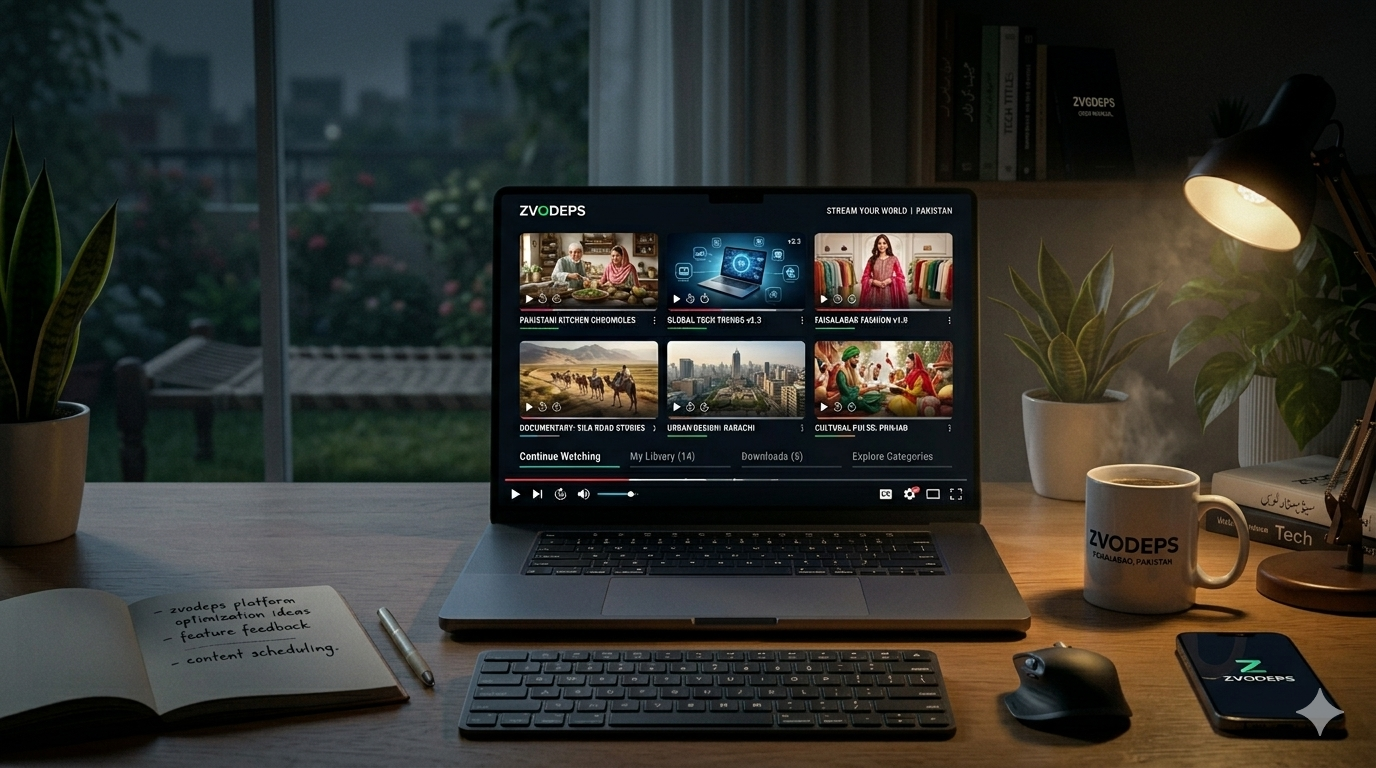
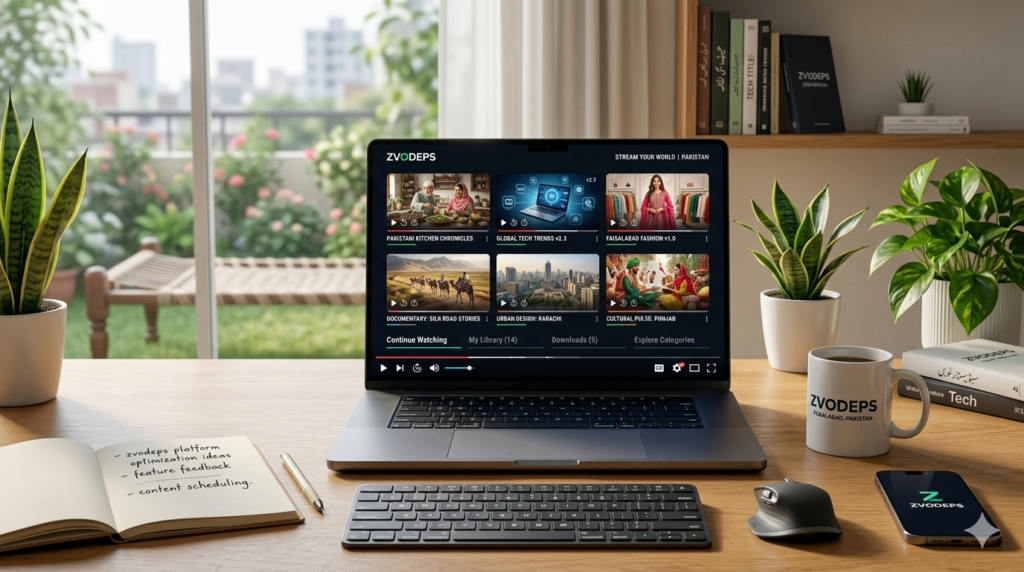
Zvodeps operates as a digital platform designed to provide users with access to video content across various categories and genres. The service positions itself within the competitive streaming market by offering specific features that cater to particular user preferences and viewing habits. When users first encounter the platform, they find an interface structured to facilitate content discovery and playback.
The platform organizes its content library into multiple categories, making it easier for visitors to navigate through different types of videos and entertainment options. From movies to series and other video formats, the range available reflects the platform’s effort to serve as a comprehensive entertainment destination. The layout emphasizes accessibility while maintaining functional design elements that guide users through their viewing journey without creating confusion.
New users often appreciate how the platform structures its navigation system, allowing quick access to popular content and trending videos. The search functionality incorporates filters that help narrow down options based on genre preferences, release dates, and content ratings. This organizational approach demonstrates how zvodeps attempts to address common frustrations associated with content discovery, particularly the time spent searching for specific titles or types of entertainment.
The platform provides streaming capabilities that adjust to different internet connection speeds, attempting to deliver smooth playback experiences across various network conditions. This adaptive streaming technology helps minimize buffering interruptions and maintains video quality appropriate to available bandwidth. Understanding these technical aspects helps users optimize their viewing experience based on their specific internet capabilities.
Key Features That Define the Zvodeps Experience
Several distinctive features characterize how this platform operates and what it offers to its user base. The content display pages typically include detailed descriptions, preview images or trailers, and relevant information about runtime, release dates, and content ratings. This transparency helps viewers make informed decisions about what to watch without needing to start playback for basic information.
The platform implements a user account system that may store viewing history, saved content, and personalized preferences. This personalization feature streamlines the viewing experience for returning users and allows them to track previously watched content efficiently. Account holders might also receive recommendations based on their viewing patterns, though the sophistication of these algorithms varies across different platforms.
Zvodeps incorporates organizational tools that allow users to create watchlists or save content for later viewing. These features accommodate users who browse content during one session but prefer to watch during another time. The ability to bookmark interesting titles prevents the frustration of forgetting content discovered during casual browsing sessions.
The playback interface includes standard controls expected in modern video players, such as play and pause functions, volume adjustment, timeline scrubbing, and potentially quality settings. Some implementations may offer additional features like subtitle options, playback speed controls, or screen size adjustments. The specific features available depend on the platform’s technical implementation and development priorities.
How Zvodeps Handles Content Quality and Availability
Content quality represents a critical factor for any video streaming platform. Zvodeps addresses this through various technical approaches to video encoding and delivery. The platform typically offers content in multiple resolution options, allowing users to select quality levels that balance visual clarity with data consumption based on their preferences and connection capabilities.
Video availability varies based on multiple factors including licensing agreements, geographic restrictions, and content partnerships. Users should understand that not all content remains permanently available, as streaming rights often involve time-limited agreements. This dynamic nature of content libraries means that titles available today might not necessarily be accessible indefinitely.
The platform’s approach to content acquisition determines both the quantity and diversity of available videos. Some platforms focus on specific niches or genres, while others aim for broader catalogs covering multiple entertainment categories. Understanding the platform’s content strategy helps set realistic expectations about what types of videos users can expect to find.
Buffering performance and stream stability depend on both the platform’s server infrastructure and individual user internet connections. Zvodeps implements content delivery networks and streaming protocols designed to optimize playback reliability. However, users experiencing persistent playback issues should evaluate their own network conditions alongside platform performance.
Navigating the Zvodeps Platform Effectively
The viewing experience on this platform follows a logical progression designed to accommodate both casual browsers and users with specific content in mind. Visitors can explore videos through category browsing, using search functions for specific titles, or following curated collections that highlight particular themes or genres.
Each content listing includes essential information such as synopsis details, runtime information, release dates, and potentially user ratings or reviews. The platform allows users to preview content through thumbnails or trailer clips before committing to full playback. This preview capability helps users make informed viewing choices without investing time in content that doesn’t match their interests.
The playback interface provides controls for managing the viewing experience, including options to pause, skip forward or backward, and adjust various settings. Understanding these controls enhances user ability to customize playback according to personal preferences. Some platforms offer keyboard shortcuts or gesture controls that streamline navigation for frequent users.
Throughout the viewing process, zvodeps maintains user session information that allows resuming content from where playback was previously stopped. This resume functionality proves valuable for longer videos or when users need to interrupt viewing sessions. The technical implementation of this feature varies but generally enhances convenience for users consuming content across multiple sessions.
Exploring Zvodeps Access Methods and Compatibility
Platform accessibility depends on the devices and systems that support zvodeps functionality. Modern streaming services typically prioritize web browser access, allowing users to stream content through standard internet browsers without requiring dedicated software installations. This approach maximizes accessibility across different operating systems and device types.
Mobile compatibility has become increasingly important as more users consume video content on smartphones and tablets. Zvodeps may offer responsive web design that adapts to smaller screens or potentially dedicated mobile applications that provide optimized experiences for portable devices. Understanding available access methods helps users choose the most convenient viewing options for their situations.
Smart television compatibility allows users to stream content directly on larger screens without additional hardware. Some platforms support various smart TV operating systems or work with streaming devices like media players and gaming consoles. Verifying compatibility with existing home entertainment equipment ensures seamless integration into established viewing setups.
Browser requirements and technical specifications determine which systems can effectively run the platform. Users with older devices or outdated software may experience compatibility issues that affect functionality. Checking system requirements before investing time in the platform helps avoid frustration from technical limitations.
Understanding Zvodeps Subscription and Access Models
The business model underlying zvodeps determines how users access content and what costs might be involved. Digital platforms employ various approaches including subscription services, ad-supported free access, pay-per-view options, or hybrid models combining multiple revenue strategies. Understanding the specific model helps users evaluate value propositions and costs.
Subscription-based platforms typically charge recurring fees in exchange for unlimited access to content libraries during the subscription period. These services may offer different tiers with varying features such as content selection, video quality options, or simultaneous stream allowances. Evaluating subscription terms helps users determine if the value justifies recurring costs.
Ad-supported platforms provide free content access in exchange for users viewing advertisements during playback. This model makes content accessible without financial barriers but involves interruptions that some viewers find disruptive. Understanding ad frequency and duration helps users decide if this trade-off aligns with their preferences.
Some platforms operate on freemium models where basic content remains free while premium titles or features require payment. This approach allows users to sample the platform before committing financially while generating revenue from engaged users willing to pay for enhanced experiences. Evaluating what features remain free versus paid helps inform usage decisions.
Security and Privacy Considerations with Zvodeps
Online platform usage raises important security and privacy considerations that users should understand. Zvodeps, like any digital service, involves data transmission and potentially account creation that require attention to protective measures. Users should verify that connections use secure protocols indicated by HTTPS in web addresses and security certificates.
Account creation processes may request personal information including email addresses and potentially payment details if subscription fees apply. Understanding what information the platform collects, how it’s used, and who may access it helps users make informed privacy decisions. Reviewing privacy policies, though tedious, provides important insights into data handling practices.
Password security remains fundamental when creating accounts on any platform. Using strong, unique passwords specific to zvodeps prevents unauthorized access and limits damage if security breaches occur elsewhere. Password management tools can help generate and store complex credentials without requiring memorization.
Monitoring account activity for unusual behavior helps detect potential security issues early. Unexpected login notifications, unfamiliar viewing history, or unauthorized changes to account settings warrant immediate attention. Promptly addressing suspicious activity and changing credentials when concerns arise protects against account compromise.
Comparing Zvodeps to Alternative Streaming Platforms
The streaming platform landscape includes numerous services each offering distinct advantages and limitations. Zvodeps positions itself among these alternatives through specific features, content selections, or pricing approaches. Understanding these differences helps users identify which platforms best match their entertainment preferences and budget constraints.
Content library size and diversity represent primary differentiators between platforms. Major established services typically offer extensive catalogs spanning multiple genres and content types, while smaller or specialized platforms may focus on particular niches. Comparing available content helps determine which platforms provide access to desired entertainment categories.
Video quality capabilities vary across platforms based on their technical infrastructure and content partnerships. Some services offer ultra-high-definition streaming with advanced audio formats, while others provide more limited quality options. Users with high-end home theater setups may prioritize platforms supporting premium quality formats.
Pricing structures differ significantly between services, from free ad-supported options to premium subscriptions commanding substantial monthly fees. Evaluating costs against available content and features helps identify services offering optimal value for individual budgets and viewing habits. Considering annual payment options or bundled services might provide savings for committed users.
Technical Requirements for Optimal Zvodeps Performance
Maximizing the viewing experience on zvodeps requires understanding technical factors that influence performance. Internet connection speed represents the most critical variable affecting streaming quality and reliability. Different video resolutions require corresponding minimum bandwidth, with higher quality streams demanding faster connections.
Standard definition content typically requires modest bandwidth that most modern internet connections easily support. High definition streaming demands significantly more bandwidth, while ultra-high-definition formats require the fastest connection speeds. Testing actual connection speeds against platform requirements helps users select appropriate quality settings.
Device processing capabilities influence how smoothly platforms operate and whether advanced features function properly. Older computers, smartphones, or tablets may struggle with high-resolution playback or experience interface lag. Understanding device limitations helps set realistic expectations and informs upgrade decisions for users prioritizing optimal streaming experiences.
Browser selection and version currency affect compatibility and feature availability on web-based platforms. Keeping browsers updated ensures access to latest web technologies that platforms leverage for enhanced functionality. Users experiencing technical issues should verify they’re using supported browser versions before troubleshooting other potential causes.
Future Developments in the Zvodeps Platform
Digital platforms continuously evolve to meet changing user expectations and technological capabilities. Zvodeps likely has development plans to expand features, improve user interfaces, and potentially increase content offerings based on user demand and market opportunities. Staying informed about platform updates helps users take advantage of new capabilities as they become available.
Content library expansion represents a common priority for growing streaming platforms as they work to attract and retain subscribers. Adding popular titles, exclusive content, or expanding into new genres increases platform appeal to broader audiences. These content additions depend on licensing negotiations, original production efforts, and business strategies.
Technical improvements might include enhanced video quality options, improved recommendation algorithms, or interface redesigns that streamline navigation and discovery. Platforms invest in these enhancements to remain competitive and address user feedback about desired improvements. Regular updates demonstrate platform commitment to ongoing development.
Additional device support could broaden accessibility by extending compatibility to new operating systems, smart TV platforms, or emerging device categories. As technology evolves and new hardware enters markets, platforms adapt to maintain relevance across changing device ecosystems. These compatibility expansions increase potential user bases and convenience for existing users.
Frequently Asked Questions
What exactly is zvodeps and how does it work?
Zvodeps functions as a digital video streaming platform that provides users with access to various types of video content. Users navigate the platform through web browsers or potentially dedicated applications, selecting content to stream over internet connections. The platform delivers videos through adaptive streaming technology that adjusts quality based on available bandwidth to maintain smooth playback.
Is zvodeps free to use or does it require payment?
The specific business model employed by zvodeps determines whether access requires payment and what costs may apply. Some streaming platforms offer free ad-supported access, while others operate on subscription models with recurring fees. Users should review the platform’s current pricing structure and access terms to understand any financial requirements or available free options.
What types of content are available on the zvodeps platform?
Content availability varies based on the platform’s licensing agreements and content partnerships. Typical streaming platforms offer combinations of movies, television series, documentaries, and potentially user-generated content across multiple genres. The specific catalog available through zvodeps depends on its content acquisition strategy and geographic service areas.
Can I use zvodeps on my smartphone or tablet?
Mobile device compatibility depends on the platform’s technical implementation and supported systems. Many modern streaming services offer responsive web designs that function on mobile browsers or provide dedicated applications for iOS and Android devices. Users should verify current compatibility information for their specific devices before expecting full functionality on smartphones or tablets.
How does zvodeps compare to major streaming services like Netflix or Hulu?
Comparison factors include content library size, video quality options, pricing structures, and available features. Established major platforms typically offer extensive content catalogs, premium quality options, and robust feature sets, while alternative services might focus on specific niches, lower pricing, or unique content selections. Users should evaluate their priorities regarding content preferences, budget, and desired features when comparing platforms.
Conclusion
Zvodeps represents one option within the expansive digital streaming landscape that continues evolving to meet diverse entertainment consumption preferences. Understanding the platform’s features, content approach, technical requirements, and access models helps potential users make informed decisions about whether it aligns with their viewing habits and expectations. The streaming industry offers numerous alternatives, each with distinct advantages and limitations that appeal to different user priorities. Whether zvodeps becomes a primary entertainment source or serves as a supplementary option alongside other services depends on how well its specific offerings match individual content preferences, budget considerations, and technical requirements. As with any digital platform, users should approach with realistic expectations, understanding that content availability changes over time and individual experiences vary based on geographic location, internet connection quality, and device capabilities. Evaluating the platform through personal trial when possible provides the most reliable insights into whether it delivers satisfactory value and functionality for your specific entertainment needs. The digital streaming ecosystem continues expanding and evolving, offering users increasingly diverse options for accessing video content across multiple devices and viewing contexts, making informed platform selection an important aspect of optimizing modern entertainment experiences.